Get Mini Split Installation
Mini split installation services help property owners add or replace heating and cooling systems in various spaces, handled by local contractors for efficient climate control solutions.
If you're considering a mini split installation, you're in the right place to explore your options. Many property owners in the area seek out these systems for their flexibility and efficiency, especially when upgrading existing spaces or adding climate control to specific rooms. Understanding the benefits of mini splits and how they can improve comfort makes it easier to plan a project that aligns with your property's needs.
By comparing local contractors who specialize in mini split installations, property owners can find the right expertise for their specific requirements. Whether you're updating an older property or optimizing a new build, these professionals can provide guidance on the best solutions for your space. Keep reading to learn more about how local service providers can assist with your mini split project.
- Mini Split Installation - when homeowners want to add or upgrade cooling and heating in specific rooms or zones.
- Mini Split System Replacement - when existing units are outdated, inefficient, or no longer functioning properly.
- Mini Split Ductless System Setup - for new construction or room additions that require independent climate control.
- Mini Split Maintenance and Repairs - to ensure optimal performance and address issues with existing systems.
- Mini Split System Troubleshooting - when experiencing uneven cooling, strange noises, or system malfunctions.
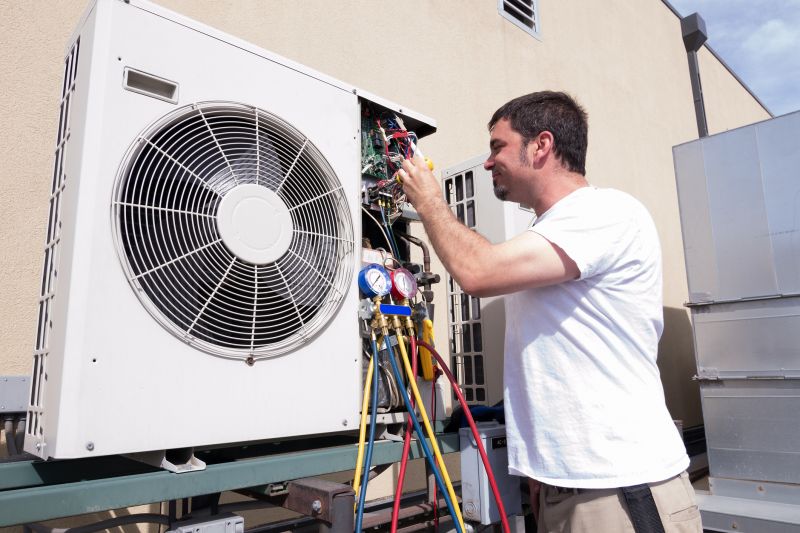
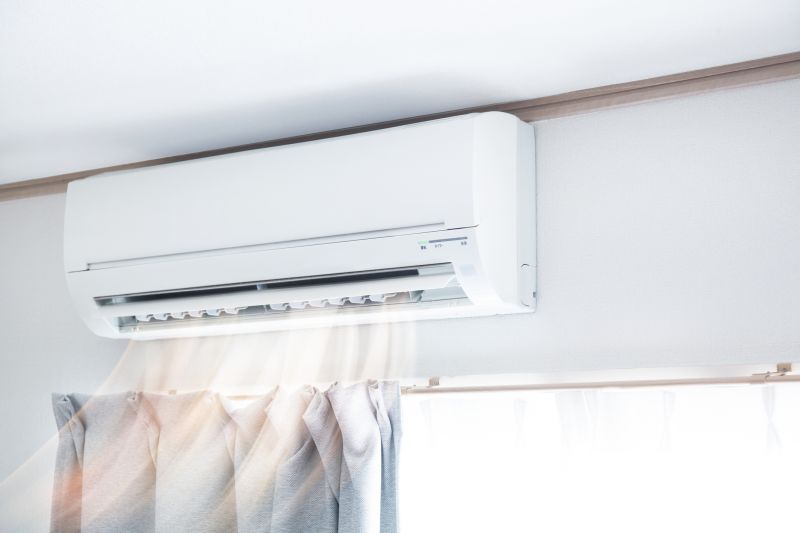
Mini split installation services involve setting up ductless heating and cooling systems that provide efficient climate control for various spaces. These systems consist of an outdoor condenser unit and one or more indoor air handlers, which are mounted on walls or ceilings. The installation process includes connecting these components, ensuring proper electrical wiring, and configuring the system for optimal performance. Professional contractors handle all aspects of the setup to ensure the system operates safely and effectively, providing a comfortable environment year-round.
Mini split systems are especially useful for addressing specific heating and cooling challenges within a property. They are ideal for rooms or zones that are difficult to heat or cool with traditional HVAC systems, such as additions, converted spaces, or areas with limited ductwork. These systems can help resolve uneven temperatures, reduce energy consumption, and improve indoor comfort. Homeowners often seek mini split installation when upgrading existing systems or creating targeted climate zones within their homes.
Properties that typically benefit from mini split installation include single-family homes, multi-unit residences, and small commercial buildings. They are well-suited for spaces where ductwork is impractical or costly to install, such as historic homes or buildings with limited space. Additionally, mini splits are popular in garages, workshops, or home offices where localized climate control is needed without the complexity of a central system. Local contractors can evaluate the specific needs of each property and recommend the best configuration for efficient operation.
Choosing professional mini split installation ensures that the system is properly mounted, connected, and calibrated for reliable performance. These services help homeowners enjoy consistent indoor temperatures and energy savings while avoiding common installation issues. When considering a mini split system, reaching out to experienced local service providers can make the process straightforward and tailored to the unique requirements of each property. Contact local contractors to explore options and find the right solution for climate control needs.
The overview below groups typical Mini Split Installation projects into broad ranges so you can see how smaller, mid-sized, and larger jobs often compare in your area.
In many markets, a large share of routine jobs stays in the lower and middle ranges, while only a smaller percentage of projects moves into the highest bands when the work is more complex or site conditions are harder than average.
Smaller Repairs - Typical costs for minor mini split repairs or component replacements range from $250 to $600. Many routine repairs fall within this range, depending on the specific parts needed and the complexity of the issue.
Basic Installation - Installing a standard mini split system usually costs between $1,500 and $3,500. Most projects in this category are straightforward and fall in the middle of this range, with fewer reaching the higher end due to additional requirements.
Full System Replacement - Replacing an existing mini split system can cost between $3,500 and $7,000 or more. Larger, more complex installations or upgrades to high-efficiency units tend to push costs into the higher tiers.
Multi-Zone Systems - Installing multi-zone mini split setups typically ranges from $4,000 to $10,000+. Many projects stay within the mid-range, but extensive systems with multiple indoor units can increase costs significantly.
Actual totals will depend on details like access to the work area, the scope of the project, and the materials selected, so use these as general starting points rather than exact figures.
HVAC Ductwork Installation - Professionals experienced in ductwork setup can handle the planning and installation needed for mini split systems that require proper airflow and integration.
Indoor Air Quality System Setup - Installing air purifiers or ventilation systems involves similar skills in planning, electrical work, and system integration as mini split installations.
Wall-Mounted Unit Mounting - The process of securely mounting indoor units on walls shares techniques with installing mini split indoor components, ensuring proper placement and stability.
Electrical Wiring and Circuiting - Handling electrical connections for HVAC systems involves similar planning and safety considerations as wiring mini split units.
Ceiling Cassette System Installation - Installing ceiling-mounted climate control units requires comparable planning, tools, and precision as wall-mounted mini split units.
Zone Control System Setup - Configuring multi-zone HVAC systems involves planning and electrical work similar to setting up multiple mini split indoor units for efficient climate control.
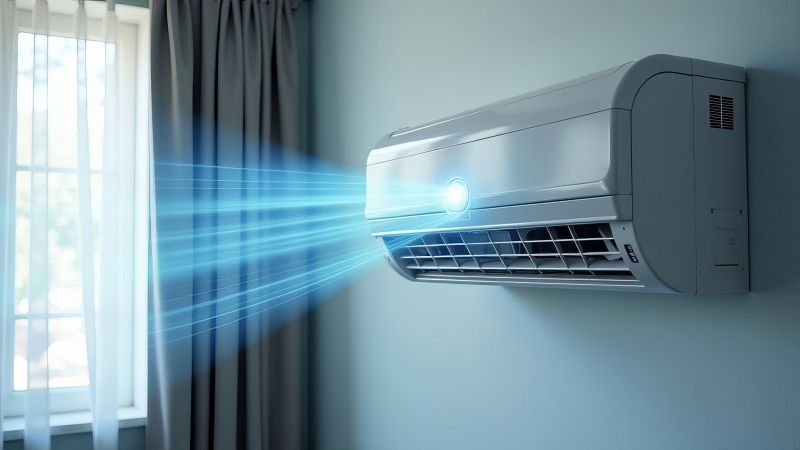
When comparing local contractors for Mini Split Installation, it’s important to consider their experience with similar projects. Homeowners should look for service providers who have a proven track record of installing mini split systems in homes with comparable size and layout. An experienced contractor will be familiar with common challenges and best practices, which can help ensure the installation is done efficiently and correctly. Asking about the types of systems they have installed and how many similar jobs they have completed can provide insight into their familiarity with the work.
Clear, written expectations are essential to a successful project. Homeowners should seek out service providers who can provide detailed estimates and scope of work in writing, outlining what is included and what is not. This helps prevent misunderstandings and ensures everyone is on the same page regarding the process, materials, and responsibilities. Good communication from the start can also make it easier to address questions or concerns as the project progresses, leading to a smoother experience.
Reputable references and strong communication skills are key factors when selecting local contractors. Homeowners can ask service providers for references from previous clients who had similar mini split installations. Speaking with past customers can reveal insights into the contractor’s professionalism, reliability, and quality of work. Additionally, effective communication-such as prompt responses and clarity in explanations-helps build trust and confidence that the project will be managed smoothly. It’s important to remember that this site introduces homeowners to local options, but the actual installation work will be handled directly by qualified service providers in the area.
Property owners use Mini Split Installation services for practical projects around their homes and businesses. This guide focuses on everyday jobs and straightforward project options.
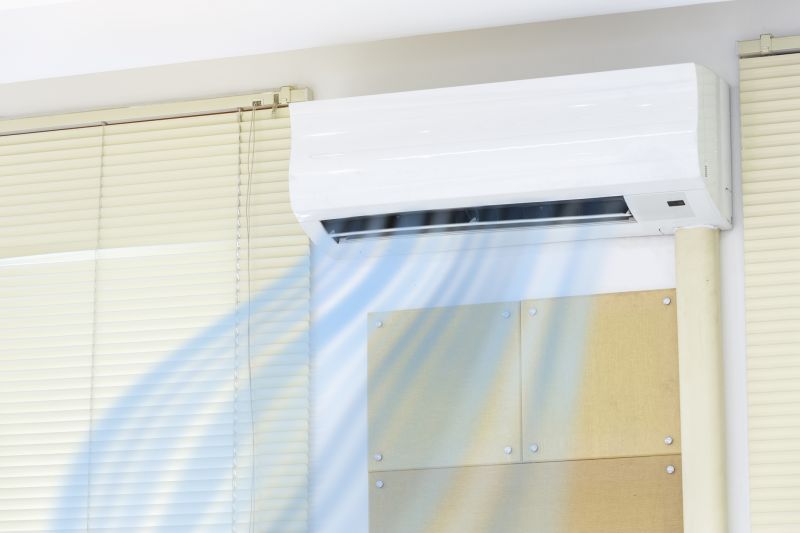
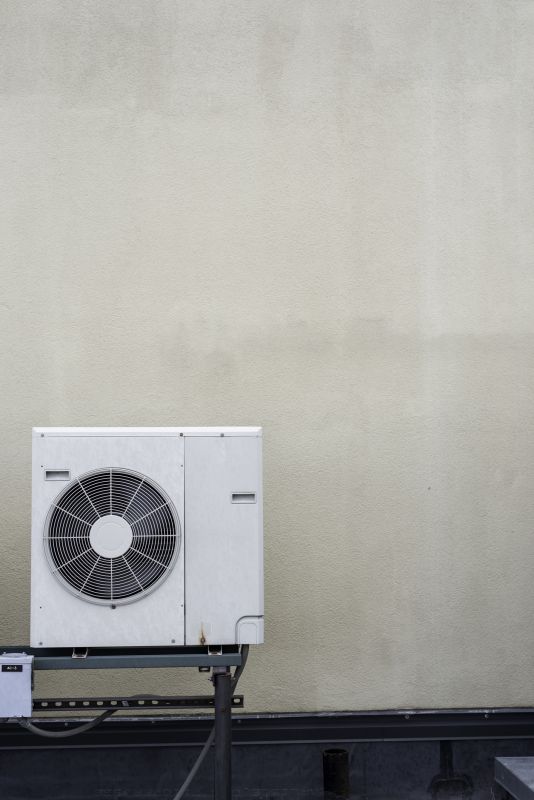
Mini split installation services are often sought by property owners who want an efficient way to cool or heat specific areas within their homes or commercial spaces. Whether upgrading an older system, adding climate control to a new addition, or replacing outdated equipment, many individuals look for reliable local contractors who can handle these installations with minimal disruption. These projects are common in situations where targeted temperature management is preferred over whole-property solutions, making professional installation essential for optimal performance.
Property owners in the area may also seek mini split installation services to improve energy efficiency or to address uneven heating and cooling issues. Local service providers are frequently called upon to help with these upgrades, especially when installing units in spaces that require flexible or discreet climate control options. Connecting with experienced contractors ensures that the installation process meets the specific needs of each property, providing a comfortable environment tailored to individual preferences.
What is involved in installing a mini split system? Installation typically includes mounting the indoor unit, connecting it to the outdoor condenser, and ensuring proper electrical wiring and refrigerant lines are in place, handled by experienced contractors.
Can existing walls be used for mini split installation? Yes, if the walls are suitable for mounting the indoor unit, local contractors can often install mini splits without significant modifications, depending on the space and structure.
Is additional ductwork needed for mini split systems? No, mini split systems are ductless, which means they do not require ductwork, making installation simpler and less invasive.
What types of indoor units are available for mini splits? There are various indoor unit styles, such as wall-mounted, ceiling cassette, or floor-mounted units, which local service providers can help select and install based on space and preferences.
Are mini split installations suitable for all types of homes? Mini splits can be installed in many different home types, including retrofitting existing spaces or new constructions, with local contractors assessing the best options for each property.
Improve Indoor Comfort - A property owner can use mini split installation to ensure consistent temperature control throughout different rooms or zones.
Upgrade for Energy Efficiency - Homeowners might consider installing mini splits to reduce energy consumption compared to traditional HVAC systems.
Enhance Room Flexibility - Installing mini splits allows for heating or cooling specific areas, making spaces more adaptable for different uses.
Add Climate Control to Renovations - When renovating or remodeling, property owners can incorporate mini splits to improve climate management without extensive ductwork.
If you are thinking about Mini Split Installation for a property, this guide is meant to help you understand the work, the typical project types, and how different options might fit your plans.
When you are ready, you can use the quote form on this page to share a few details about your project. From there, local pros can review the basics and respond with options that match what you have in mind.