Get Mold Air Testing
Mold air testing services help property owners identify mold presence and airborne contaminants in homes or buildings, typically involving inspection, sampling, and analysis by local contractors.
If you suspect mold may be affecting your property’s indoor air quality or causing health concerns, mold air testing services can provide clarity. Property owners in the area often explore these services to identify hidden mold growth, especially in places that are difficult to inspect visually. Understanding whether mold is present helps inform necessary steps for remediation and ensures a healthier living or working environment. Keep reading to learn how local contractors can assist with reliable testing options tailored to your property’s needs.
Choosing the right service provider is an important step in planning any mold-related project. Local contractors specializing in air testing offer a range of solutions to help property owners assess mold presence accurately. Comparing these options can help you find a professional who fits your specific situation, providing peace of mind and clarity about your property’s condition. Continue exploring to discover how trusted local experts can support your mold testing needs.
- Residential Mold Air Testing - when homeowners suspect mold issues inside their living spaces.
- Commercial Mold Air Testing - for businesses needing to assess air quality after water damage or renovation.
- Post-Remediation Mold Testing - to verify that mold removal efforts have been successful.
- New Construction Mold Inspection - during building projects to ensure indoor air quality standards are met.
- Indoor Air Quality Assessments - when occupants experience symptoms that may be linked to mold presence.
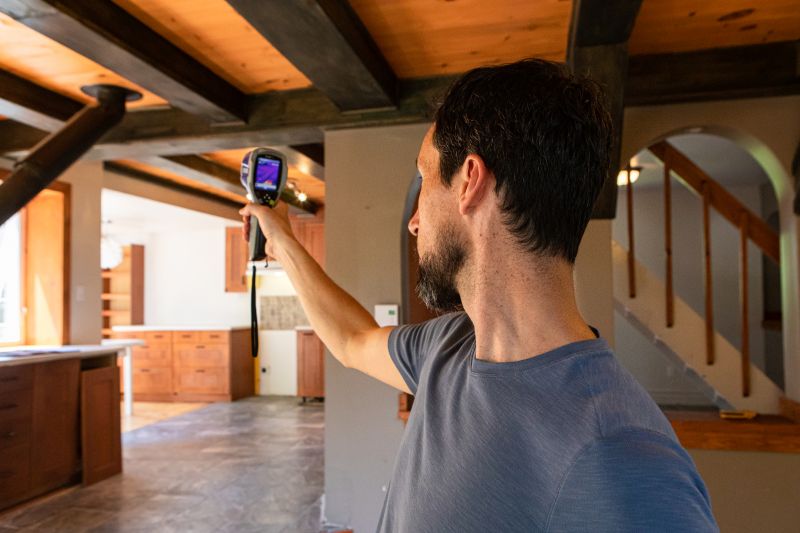
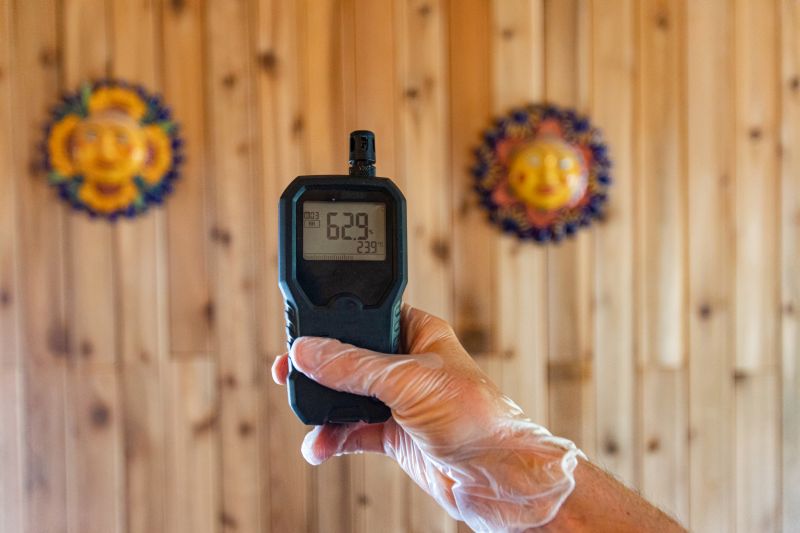
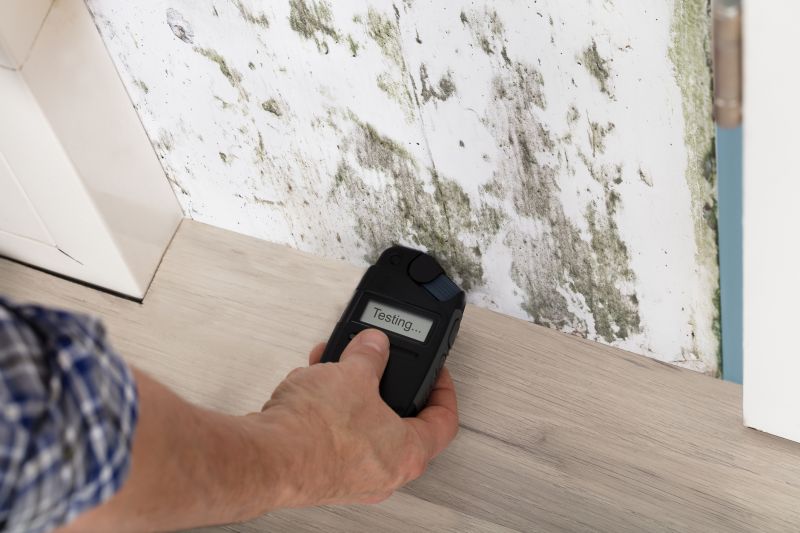
Mold air testing services involve collecting air samples from indoor environments to detect the presence of mold spores. These tests help identify whether mold is actively growing inside a property and determine the types and concentrations of mold present in the air. Service providers use specialized equipment to gather samples, which are then analyzed to provide a clear picture of the indoor air quality related to mold. This process is a valuable step in diagnosing mold issues, especially when visible mold is not apparent or when symptoms related to mold exposure are present.
These testing services are particularly useful in addressing problems like musty odors, allergy symptoms, respiratory issues, or unexplained health concerns that may be linked to mold exposure. They can also help confirm suspicions of hidden mold growth behind walls, under floors, or in other hard-to-see areas. By pinpointing the presence and extent of airborne mold, property owners can make informed decisions about necessary remediation efforts and improve indoor air quality to promote a healthier living or working environment.
Mold air testing is commonly used in residential properties such as homes, apartments, and condominiums, especially after water damage or flooding. It is also frequently performed in commercial buildings, offices, and rental properties where indoor air quality is a concern. Property managers and landlords often utilize these services to maintain safe environments for tenants, while homeowners may seek testing before purchasing a new property or after noticing persistent mold-related issues. Overall, any property experiencing moisture problems or mold-related symptoms may benefit from professional air testing.
When considering mold air testing, it’s important to work with experienced service providers who understand the nuances of indoor air quality. These local contractors can recommend appropriate testing methods based on specific concerns and property types. Whether dealing with visible mold, musty odors, or health issues linked to mold exposure, professional testing can help identify the source of the problem. Contacting local pros for this service provides a practical step toward resolving mold concerns and ensuring a healthier indoor environment.
The overview below groups typical Mold Air Testing projects into broad ranges so you can see how smaller, mid-sized, and larger jobs often compare in your area.
In many markets, a large share of routine jobs stays in the lower and middle ranges, while only a smaller percentage of projects moves into the highest bands when the work is more complex or site conditions are harder than average.
Basic Mold Air Testing - typical costs range from $250-$600 for many smaller or routine testing jobs. Most standard projects fall within this range, depending on the size of the property and number of tests needed.
Comprehensive Mold Inspection - larger, more detailed testing services generally cost between $600-$1,500. These projects often involve multiple samples and thorough assessments by local contractors.
Specialized or Complex Testing - very detailed or extensive mold air testing can reach $1,500-$3,000 or more. Fewer projects require this level of testing, usually for larger properties or suspected widespread contamination.
Full Mold Remediation Testing - after remediation, testing can cost $300-$800 to confirm mold levels have been reduced. Many routine projects land in the middle of this range, with some larger jobs pushing higher depending on scope.
Actual totals will depend on details like access to the work area, the scope of the project, and the materials selected, so use these as general starting points rather than exact figures.
Indoor Air Quality Assessments - professionals who evaluate overall air quality can perform mold air testing as part of their comprehensive assessments.
Environmental Inspection Projects - inspectors assessing building health often utilize air sampling techniques similar to mold testing to identify airborne contaminants.
Building Inspection Services - home and commercial building inspectors may include mold air testing in their evaluations to detect hidden mold issues.
HVAC System Testing and Balancing - technicians working on HVAC systems use air sampling methods comparable to mold testing to ensure proper airflow and air quality.
Asbestos and Hazardous Material Testing - specialists testing for various indoor hazards often employ air sampling tools that are similar to those used in mold air testing.
Radon Testing Services - providers measuring indoor radon levels use air sampling techniques that share similarities with mold air testing procedures.
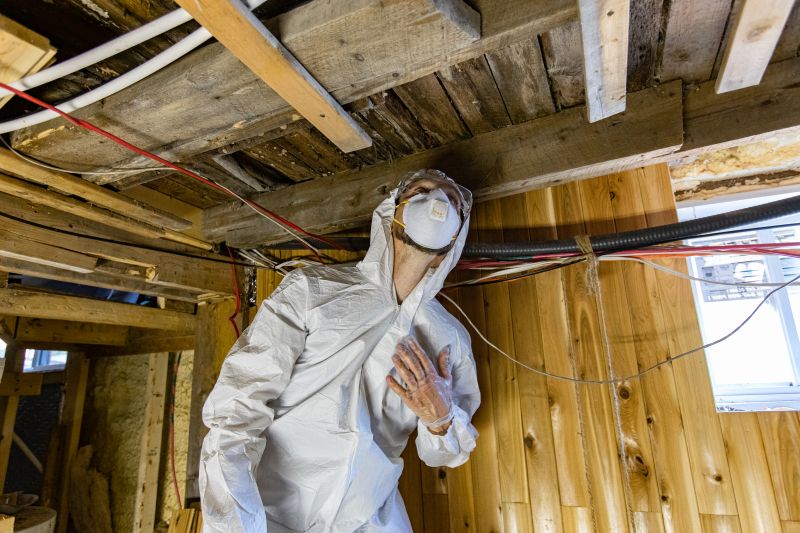
When comparing local contractors for mold air testing services, it’s important to consider their experience with similar projects. Homeowners should inquire about how long the service provider has been performing mold testing and whether they have handled properties comparable in size or complexity. An experienced contractor will be familiar with the common challenges and best practices specific to mold assessment, which can contribute to more reliable results and a smoother process overall.
Clear written expectations are essential to ensure that both the homeowner and the service provider are aligned on the scope of work. When evaluating options, it’s helpful to request detailed descriptions of what the testing will include, how samples will be collected, and how the results will be communicated. This transparency helps prevent misunderstandings and provides confidence that the testing will be thorough and tailored to the home’s specific needs.
Reputable references and good communication are key indicators of a trustworthy service provider. Homeowners should seek out local contractors who can provide references from previous clients with similar projects, offering insights into their professionalism and the quality of their work. Additionally, responsive and clear communication during the initial inquiry can reflect the contractor’s willingness to address questions and provide guidance throughout the process, making the experience more straightforward and less stressful.
Property owners use Mold Air Testing services for practical projects around their homes and businesses. This guide focuses on everyday jobs and straightforward project options.
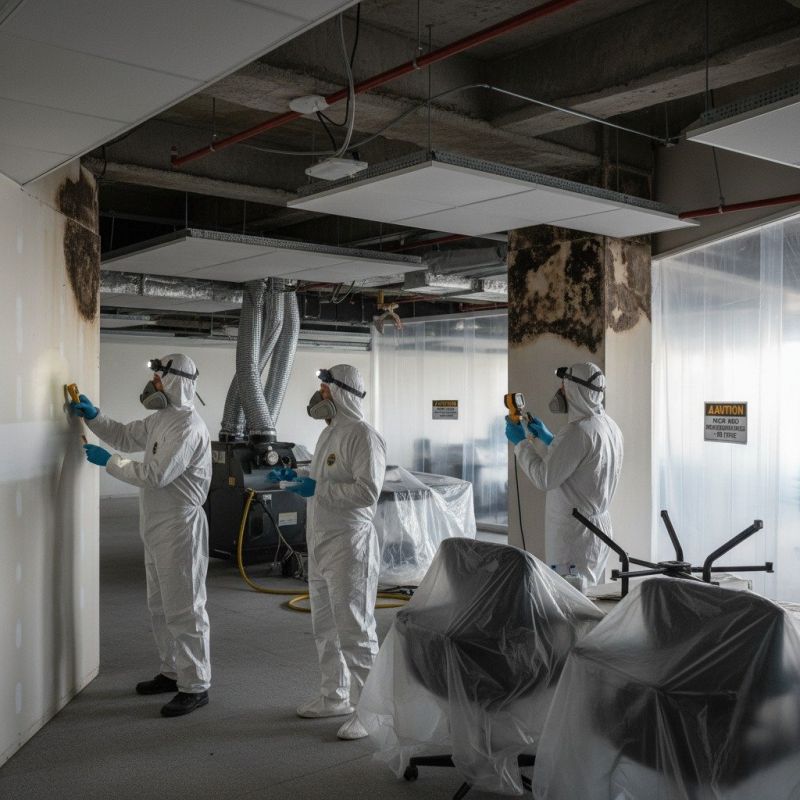
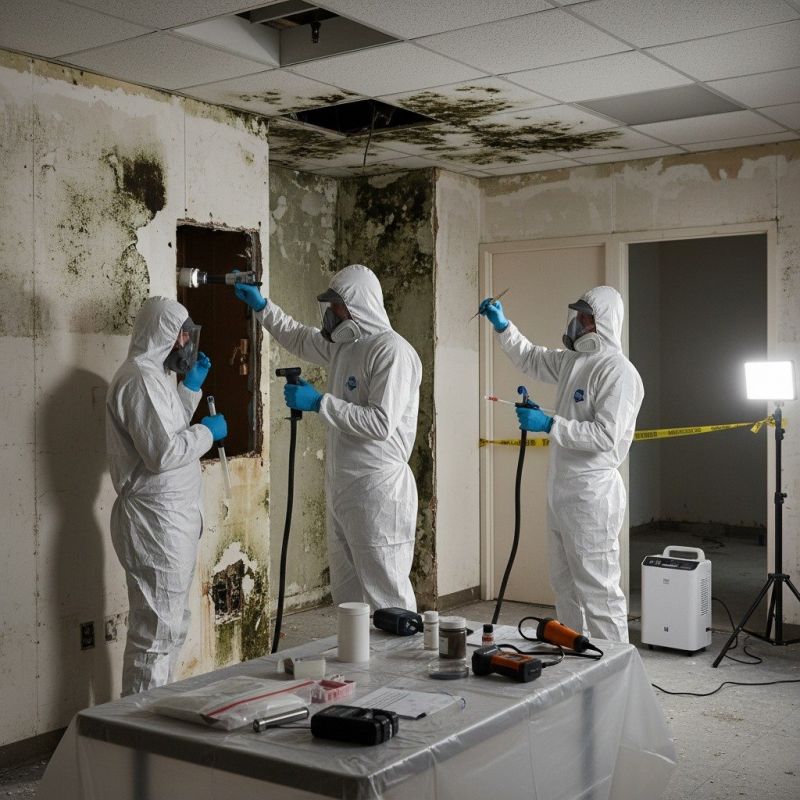
Mold air testing services are often sought after by property owners dealing with unexplained odors, visible mold growth, or recent water damage. These tests help identify whether mold spores are present in the indoor air, which can be a concern for those noticing persistent allergy symptoms or respiratory issues. Local contractors specializing in mold air testing can provide the necessary assessments to determine if mold is affecting indoor air quality, offering clarity for homeowners and property managers alike.
In many cases, property owners may consider mold air testing when preparing for renovations or after experiencing leaks or flooding. Detecting airborne mold early can prevent further damage and help ensure a healthy living or working environment. Service providers in the area who offer mold air testing can assist with identifying hidden mold sources and advising on appropriate next steps, making it easier to address potential issues before they escalate.
What is mold air testing? Mold air testing involves sampling the air in a space to detect the presence and concentration of mold spores, helping identify possible indoor air quality issues.
Why should I consider mold air testing? Mold air testing can help determine if mold spores are present in the air, which may indicate hidden mold growth or airborne contamination that needs to be addressed.
How do local contractors perform mold air testing? Certified service providers typically use specialized equipment to collect air samples, which are then analyzed to identify mold types and levels in the environment.
What areas are suitable for mold air testing? Mold air testing can be performed in various indoor spaces, including homes, offices, basements, and attics, especially if there are concerns about mold growth or musty odors.
How can I find local mold air testing service providers? This website can help connect with qualified local contractors who specialize in mold air testing to assess your indoor air quality.
Mold Air Testing for Home Improvement - Homeowners planning renovations can use mold air testing to identify hidden mold issues before starting projects, ensuring a healthier living environment.
Post-Remediation Mold Testing - After mold removal, property owners can have their air tested to confirm that mold levels have been effectively reduced, supporting a safe return to the space.
Health Concerns and Mold Detection - Individuals experiencing allergy-like symptoms may utilize mold air testing to determine if mold spores are contributing to indoor health issues.
New Property Inspection Services - Buyers and sellers can request mold air testing during property inspections to assess indoor air quality and identify potential mold problems early.
If you are thinking about Mold Air Testing for a property, this guide is meant to help you understand the work, the typical project types, and how different options might fit your plans.
When you are ready, you can use the quote form on this page to share a few details about your project. From there, local pros can review the basics and respond with options that match what you have in mind.